How Website Design Impacts SEO and Google Rankings
Your website is often the first interaction potential customers have with your business. While an attractive design helps create a positive first impression, website design does much more than improve appearance. It plays a significant role in how search engines evaluate your website and determine where it should rank in search results.
Many business owners focus solely on keywords and backlinks when thinking about SEO. However, even the best SEO strategy can struggle if your website is slow, difficult to navigate, or not mobile-friendly. Google prioritizes websites that provide an excellent user experience, making website design one of the most important factors in modern search engine optimization.
In this guide, we’ll explain how website design influences SEO, why it matters for your business, and what you can do to create a website that both users and search engines love.
What Is Website Design?
Website design involves planning and creating the visual appearance, structure, and functionality of a website. It includes elements such as:
- Page layout
- Navigation menus
- Colors and typography
- Images and graphics
- Mobile responsiveness
- User interface (UI)
- User experience (UX)
A professionally designed website is visually appealing, easy to use, and optimized for both visitors and search engines.
What Is SEO?
Search Engine Optimization (SEO) is the process of improving your website so it appears higher in search engine results for relevant keywords.
SEO includes:
- Keyword optimization
- High-quality content
- Technical SEO
- Internal linking
- Site speed optimization
- Mobile optimization
- Local SEO
- Backlink building
When website design and SEO work together, your website becomes more visible, attracts qualified visitors, and generates more leads.
How Website Design Affects SEO
-
Website Speed Directly Impacts Rankings
Google has officially confirmed that page speed is a ranking factor.
A slow-loading website causes visitors to leave before the page even finishes loading. This increases bounce rates and sends negative signals to search engines.
A well-designed website includes:
- Optimized images
- Fast hosting
- Clean code
- Browser caching
- Minified CSS and JavaScript
Improving website speed not only enhances SEO but also increases conversions.
-
Mobile-Friendly Design Is Essential
More than half of all internet traffic comes from mobile devices.
Google now uses Mobile-First Indexing, meaning it primarily evaluates the mobile version of your website.
Your website should include:
- Responsive design
- Readable fonts
- Touch-friendly buttons
- Fast mobile loading
- Proper spacing
A mobile-friendly website improves rankings and provides a better user experience.
User Experience (UX) Influences SEO
Google wants users to quickly find the information they’re searching for.
Good UX includes:
- Easy navigation
- Clear menus
- Logical page structure
- Fast loading pages
- Helpful content
- Strong call-to-action buttons
When visitors stay longer and interact with your website, search engines recognize that your site provides value.
Website Navigation Helps Search Engines Crawl Your Site
Search engines crawl websites through links.
A clean navigation structure makes it easier for Google to discover important pages.
Best practices include:
- Simple navigation menus
- Clear categories
- Internal linking
- XML sitemap
- Breadcrumb navigation
Better navigation improves indexing and user engagement.
Clean Website Code Improves Performance
Behind every attractive website is quality coding.
Messy or outdated code can:
- Slow down loading times
- Create crawl errors
- Affect mobile performance
- Cause indexing issues
Professional web development ensures your website is technically optimized for search engines.
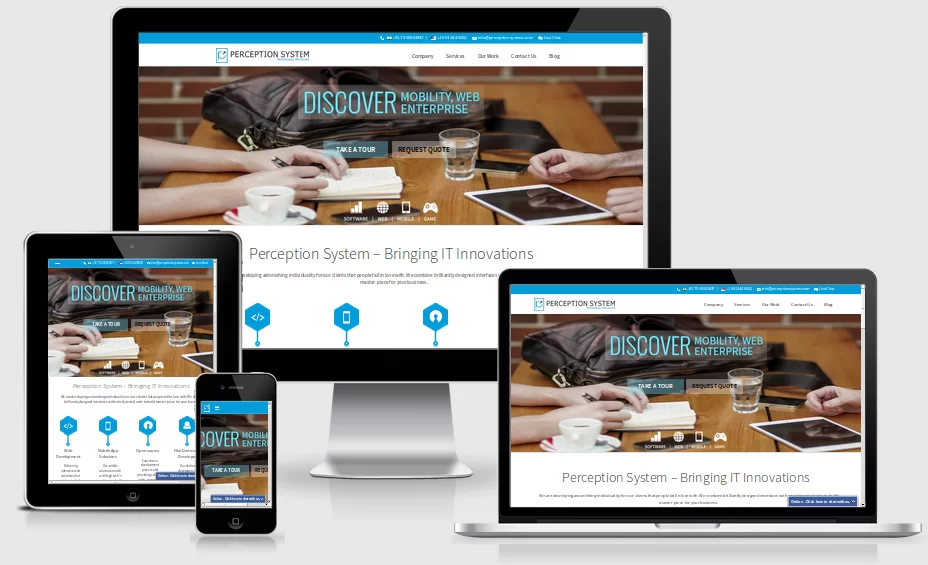
Responsive Design Supports Better Rankings
Responsive design automatically adjusts your website for:
- Smartphones
- Tablets
- Laptops
- Desktop computers
Benefits include:
- Better user experience
- Lower bounce rate
- Improved rankings
- Easier maintenance
Google strongly recommends responsive website design.
-
Structured Content Helps SEO
Website design affects how content is displayed.
Proper content formatting includes:
- H1 headings
- H2 and H3 subheadings
- Bullet points
- Short paragraphs
- Relevant images
- Internal links
Structured content makes pages easier to read for users and search engines.
-
Visual Elements Improve Engagement
High-quality visuals encourage users to stay longer.
Examples include:
- Professional images
- Custom graphics
- Videos
- Icons
- Infographics
Remember to optimize every image by:
- Compressing file size
- Using descriptive filenames
- Adding ALT text
Optimized images contribute to better SEO.
-
Secure Websites Build Trust
Google prefers secure websites.
Installing an SSL certificate provides:
- HTTPS encryption
- Better user trust
- Improved SEO signals
Visitors are more likely to stay and convert when they see a secure website.
-
Internal Linking Improves Crawlability
Website design should encourage strategic internal linking.
Internal links help:
- Distribute page authority
- Guide visitors
- Improve indexing
- Increase page views
For example, if you offer Website Design Services, you can naturally link to related pages such as SEO services, WordPress development, or website maintenance.
Common Website Design Mistakes That Hurt SEO
Avoid these common issues:
- Slow-loading pages
- Large, unoptimized images
- Poor mobile experience
- Broken links
- Confusing navigation
- Duplicate content
- Missing meta titles and descriptions
- Thin content
- Pop-ups that block content
- Poor Core Web Vitals scores
Fixing these issues can significantly improve search performance.
Best Practices for SEO-Friendly Website Design
To maximize SEO results, follow these best practices:
- Use responsive web design.
- Optimize website speed.
- Create a clear navigation structure.
- Publish high-quality content regularly.
- Optimize images with ALT text.
- Use descriptive URLs.
- Include internal links.
- Improve Core Web Vitals.
- Use schema markup where appropriate.
- Keep your website secure with HTTPS.
These practices help search engines understand your website while improving the overall user experience.
Why Professional Website Design Matters
A professionally designed website does more than look good—it supports your entire digital marketing strategy.
An SEO-friendly website can:
- Increase organic traffic
- Improve keyword rankings
- Generate more leads
- Build customer trust
- Reduce bounce rates
- Increase conversion rates
- Strengthen your brand
Businesses that invest in quality website design often see better long-term marketing results because their websites are built with both users and search engines in mind.
How SEO Web Design Houston Can Help
At SEO Web Design Houston, we specialize in creating custom, responsive, and SEO-friendly websites that help businesses grow online. Our team combines modern website design with proven SEO strategies to ensure your website not only looks professional but also performs well in search results.
Our website design services include:
- Custom website design
- WordPress website development
- Responsive design
- Website redesigns
- Speed optimization
- Technical SEO improvements
- Conversion-focused layouts
- Ongoing website support
Whether you’re launching a new website or upgrading an existing one, we build websites that are designed to attract visitors, improve rankings, and convert traffic into customers.
Conclusion
Website design and SEO go hand in hand. A beautiful website is valuable only if people can find it, and strong SEO is most effective when visitors enjoy using your website. Factors such as page speed, mobile responsiveness, navigation, content structure, security, and user experience all influence how Google ranks your website.
By investing in SEO-friendly website design, you create a strong foundation for long-term online success. If you’re ready to improve your website’s performance and visibility, partnering with experienced professionals can help you achieve better rankings, increased traffic, and more business growth.
Ready to build a website that ranks and converts? Contact our SEO Web Design Houston and digital marketing team today to schedule your free consultation by calling +1 832-713-6365 or filling out our form.



 LOCAL WEBSITE DESIGNERS & HOUSTON SEO EXPERTS – CALL US